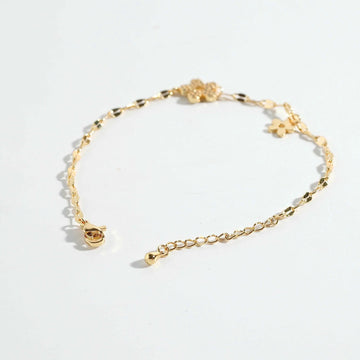
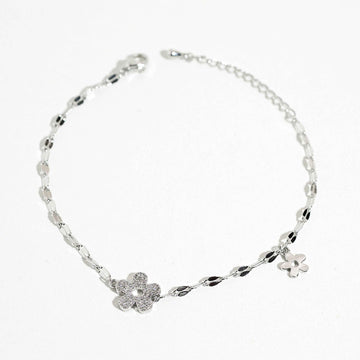
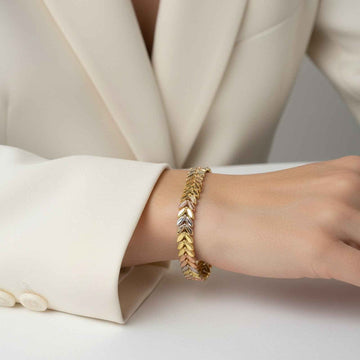
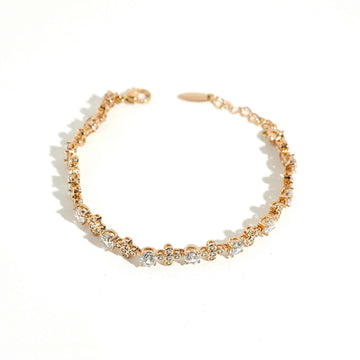
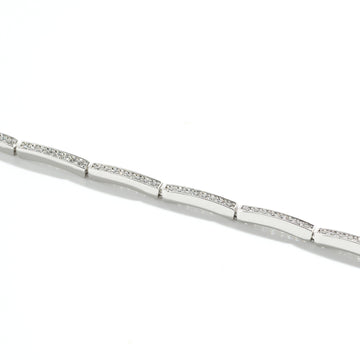
Collection: Magnus – Gold Bracelets Designs & Elegant Bracelets for Women

Bracelets: Start With How the Design Carries Detail Around the Wrist

Bracelets can create their visual effect in different ways. Some designs keep attention concentrated around one noticeable feature, while others distribute decorative detail across more of the visible bracelet. Starting with that structure makes it easier to compare designs before narrowing by finish, occasion or another specialist preference.

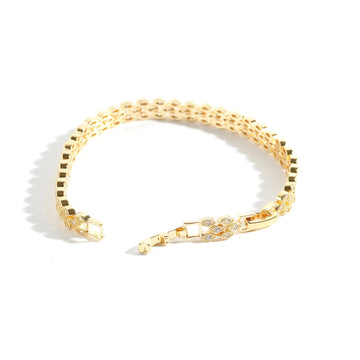
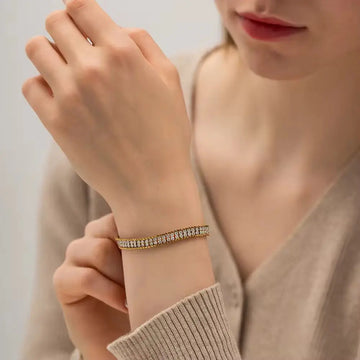
When browsing artificial bracelets, look at the complete visible line of the design rather than judging only one decorative element. Consider where detail begins and ends, how much open space remains between visible elements, and whether the bracelet creates a restrained wrist accent or a stronger decorative presence.

If you want to compare bracelets with the wider jewellery range before narrowing your choice, browse Artificial Jewellery.

Bracelet Design Structure & Detail Distribution Guide

Your Starting Preference What to Compare Useful Next Decision
One clear decorative focal area Where the strongest detail sits and how the rest of the bracelet supports it Compare focal prominence
Detail distributed across the design Repetition, spacing and continuity within the individual bracelet Compare overall decorative coverage
More open visual structure Visible space between decorative sections Compare openness with detail density
More decorated appearance How much of the visible bracelet carries noticeable detailing Compare visual intensity
Gold-look colour direction Whether a warm finish matters more than bracelet structure Gold Artificial Jewellery
Silver-look colour direction Whether a cool-toned finish is the stronger preference Silver Artificial Jewellery
Wedding-led purchase Whether occasion coordination now drives the decision Wedding Wear Artificial Jewellery

Choose Between a Clear Focal Area and Distributed Detail

Different bracelet designs can use the same wrist area very differently. A bracelet with one concentrated decorative section can direct attention quickly toward that feature. Another design may repeat visible elements across more of its length, making the complete bracelet line more important than one central point.

Compare how the main detail relates to the surrounding structure. Ask whether the rest of the bracelet visually recedes, repeats the same motif, or continues decorative interest around more of the wrist. This gives you a useful design comparison without relying only on product names.

For shoppers comparing bracelets for women, this structure-first approach can help separate designs that initially appear similar in photographs but create different visual effects when viewed as complete pieces.

Compare Decorative Density With Visual Openness

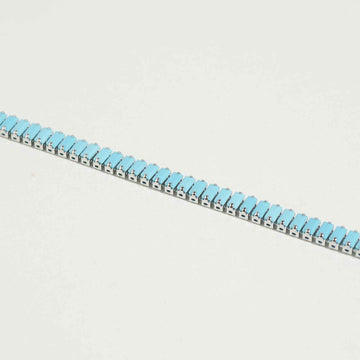
The amount of visible space within a bracelet design can be as important as the decorative elements themselves. More open space can make individual details easier to distinguish, while denser decoration can create a more continuous visual surface.

Neither direction automatically makes one bracelet more suitable than another. The useful question is how much visual information you want the wrist area to carry. A more restrained bracelet can support stronger jewellery elsewhere, while a more decorative bracelet can take a larger role in the overall look.

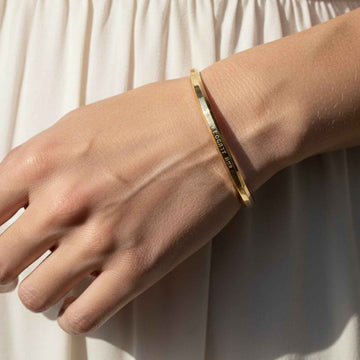
Also consider how the bracelet appears from different angles where product views are available. A design that looks highly concentrated from the front may distribute detail differently around the side of the wrist.

Bracelets or Bangles: Choose the Wrist-Jewellery Category Before Narrowing Further

If you want to keep comparing individual bracelet structures, decorative distribution and bracelet-level details, stay within this collection. If you want to explore the separate bangle category and compare bangle-specific wrist compositions, browse Bangles.

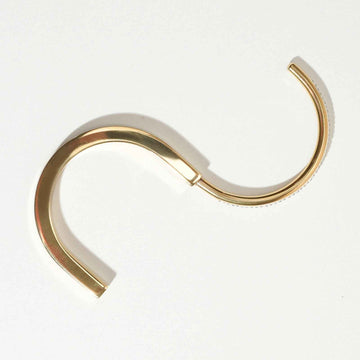
Do not rely on a rigid rule that every bracelet uses one construction and every bangle uses another. Openings, closures, adjustment methods, dimensions and other functional details can vary by product. Use the individual Magnus product information to confirm how a particular piece is constructed.

Use Gold-Look or Silver-Look Finish When Colour Direction Leads the Choice

Once you know the bracelet structure you prefer, finish can become the next filter. If a warm artificial gold-look appearance matters more than one specific bracelet format, browse Gold Artificial Jewellery.

If you prefer a cooler silver-look appearance, explore Silver Artificial Jewellery. These are appearance-led shopping routes within artificial jewellery; a gold-look or silver-look appearance should not be treated as proof of genuine gold, genuine silver, sterling silver, 925 composition or a particular plating process unless the individual product information specifically verifies it.

Move to Wedding Wear Artificial Jewellery When Occasion Becomes the Main Filter

The main Bracelets collection is useful when you are still comparing broad design structure, decorative concentration and wrist presence. If wedding styling becomes the main reason for the purchase, continue to Wedding Wear Artificial Jewellery.

Keeping that occasion decision separate allows this parent collection to remain useful for general bracelet discovery while the specialist wedding page handles deeper event-led jewellery selection and coordination.

Bracelets Online: Check Dimensions, Fit Information and Product Construction

When shopping for bracelets online, fit should be checked separately from appearance. Bracelet-sizing guidance commonly begins with measuring the wrist and then comparing that measurement with the sizing or length information supplied for the specific bracelet. Different bracelet constructions can require different fit considerations, so one measurement rule should not automatically be applied to every design.

Review any listed length, dimensions or adjustment information together with the product photographs. Check whether the product description states a closure, opening or adjustment method rather than assuming one from the image. If an individual bracelet includes an adjustable section, use the stated range or dimensions rather than treating “adjustable” as meaning unlimited fit.

Also check finish, decorative details and material information where supplied. Product photographs should not be used to infer precious-metal composition, plating, stone type, durability, physical weight or an exact fit range that is not stated in the product information.

Balance Bracelet Detail With Earrings and Rings

A bracelet can either lead the wrist area or support jewellery elsewhere. If you want stronger attention around the face, browse the Earrings Collection. If you want additional detail on the hand, explore the Rings Collection.

Consider which area should carry the strongest visual emphasis rather than matching every category by decorative intensity. A bracelet with dense or highly concentrated detail can be balanced with quieter pieces elsewhere, while a more open bracelet design can leave room for earrings or rings to create the stronger focal point.

Frequently Asked Questions

What should I compare first when choosing artificial bracelets?

Start with how the bracelet distributes visual detail. Decide whether you prefer one clear decorative focal area, detail repeated across more of the design, or a more open structure with visible space between elements. Then compare wrist presence, fit information and finish before moving into a more specialist shopping route.

How do I compare bracelet designs with focal and distributed detailing?

Look at where your eye is drawn first. A focal design concentrates attention in one noticeable area, while a distributed design carries decorative interest across more of the bracelet. Also compare the amount of open space, repetition and overall decorative density because these factors affect how the complete bracelet appears on the wrist.

What should I check when buying bracelets online?

Check listed length or dimensions, available fit or adjustment information, alternate product views, finish and any stated construction details. Confirm closures or adjustable sections from the product information rather than assuming them from photographs. Material, plating, durability and exact fit should also not be inferred when they are not explicitly stated.

How can I judge bracelet fit when shopping online?

Measure your wrist and compare that measurement with the sizing or length information supplied for the individual bracelet. Because bracelet constructions can differ, use the product-specific fit guidance rather than applying one universal allowance to every design. If an adjustment range is provided, check that stated range instead of assuming unlimited adjustability.

Should I browse Bracelets or Bangles?

Stay with Bracelets when you want to compare individual bracelet designs, focal details, decorative distribution and bracelet-level fit information. Browse Bangles when you want to explore the separate bangle category and its wrist-composition choices. Construction details such as openings, closures and adjustment methods should still be checked product by product.

Should I choose gold-look or silver-look jewellery before choosing a bracelet design?

Choose by finish first when colour direction is already your strongest preference. Gold Artificial Jewellery is the more useful route for warm gold-look styling, while Silver Artificial Jewellery supports silver-look exploration. If you are still comparing bracelet structure and decorative distribution, begin with the general Bracelets collection and use finish as a later filter.

When should I move to Wedding Wear Artificial Jewellery instead of browsing bracelets?

Move to Wedding Wear Artificial Jewellery when wedding styling becomes more important than general bracelet discovery. Stay with the main Bracelets collection while you are comparing broad bracelet structure, decorative concentration and wrist presence. The wedding-specific route should handle the deeper occasion-led jewellery decision.

How should I coordinate bracelets with rings or earrings?

Decide which jewellery area should carry the strongest visual emphasis. A bracelet with concentrated or dense detailing can become a stronger wrist focal point, while a more open bracelet can support prominent earrings or rings. The useful goal is visual hierarchy rather than making every jewellery category equally decorative.